RealTruck Roll-N-Lock Replacement Pull Straps
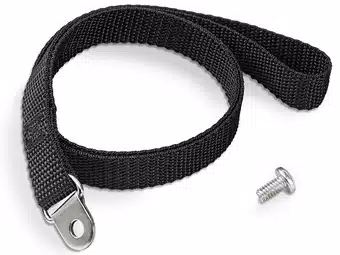
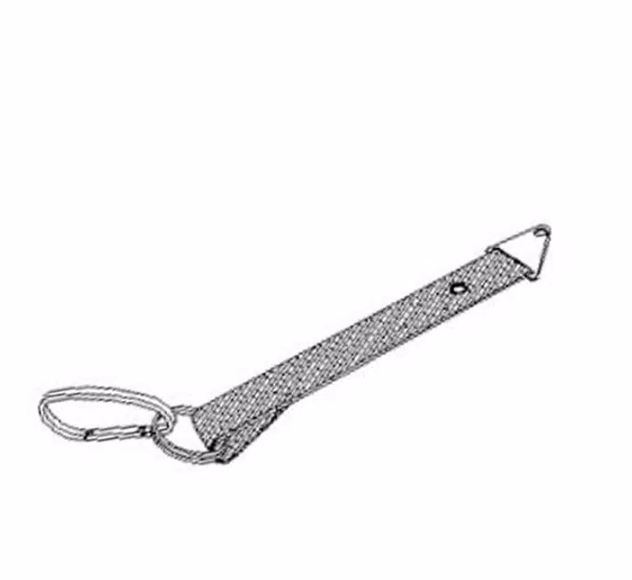
- Replacement Pull Strap Assemblies for Roll-N-Lock Truck Bed Covers.
Available in 83″ for Short Beds and 100″ for Long Beds
Sold Individually
$19.99
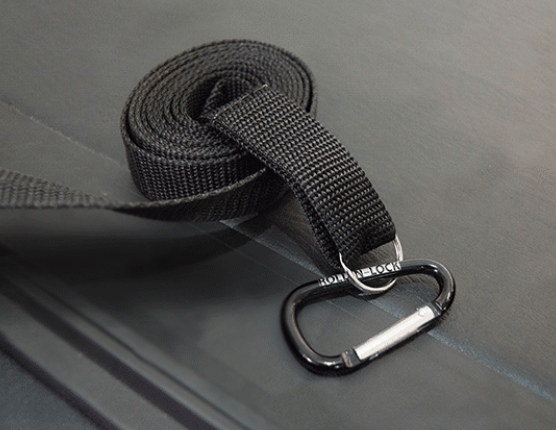
Roll N Lock Replacement Pull Strap (Nylon)
- Roll-N-Lock Replacement Pull Strap (Nylon)
- The 83 pull strap has an attachment bracket on one side and a clip on the other. Designed to fit Roll N Lock Tonneau covers, not suitable for any other load bed cover.
$32.13
Let me start with a confession: I never thought I’d become an expert on truck bed cover straps. Yet here I am, writing this comprehensive guide after spending countless hours researching, comparing, and ultimately replacing the worn-out strap on my Roll N Lock tonneau cover. When that fateful day came—the day my cover wouldn’t retract properly—I found myself diving into a world of replacement parts I knew nothing about.
What started as a frustrating Saturday morning turned into a learning experience I’m now sharing with you. Whether you’re currently dealing with a malfunctioning tonneau cover or just want to be prepared for the inevitable, this guide will walk you through everything you need to know about Roll N Lock replacement straps.
What Exactly Is a Roll N Lock Replacement Strap?
If you’re new to the Roll N Lock world (as I once was), let’s start with the basics. The replacement strap is a critical component of your Roll N Lock tonneau cover system. It’s essentially the unsung hero that powers the entire retraction mechanism. Think of it as the belt that keeps your pants up—not the most glamorous part of your outfit, but you’ll certainly notice when it fails!
The strap connects to your tonneau cover’s retraction system, allowing it to open and close smoothly. It’s what enables that satisfying, controlled roll-up motion when you unlock your cover. When I first purchased my truck, I barely gave this component a second thought. It wasn’t until my cover started sticking halfway through retraction that I realized just how important this humble strap truly is.
Made from high-grade, weather-resistant material (typically a reinforced nylon or similar synthetic), these straps are engineered to withstand the elements while maintaining proper tension. They’re designed to be durable, but like any component exposed to constant use and environmental stress, they’ll eventually wear out.
How Do You Know When Your Strap Needs Replacing?
Looking back, I should have noticed the warning signs earlier. My cover had been getting increasingly difficult to operate for weeks before it finally gave me serious trouble. Here’s what to watch for:
- Uneven retraction—the cover pulls to one side
- Sticking or jerky movement during operation
- Visible fraying or damage on the strap
- Cover tension that feels too loose or too tight
- Unusual noises during operation (grinding, squeaking)
- Partial retraction followed by stopping
In my case, I noticed the cover would retract about halfway and then stop completely. Initially, I thought it was a track issue or perhaps something caught in the mechanism. After some inspection, I found that my strap had frayed significantly on one side, causing it to catch on the retraction mechanism.
The typical lifespan of a Roll N Lock strap varies depending on your climate, usage patterns, and maintenance habits. Generally speaking, you can expect anywhere from 3-7 years of reliable service before replacement becomes necessary. Living in the Southwest with intense sun exposure, mine lasted about 4 years before showing significant wear.
Types of Roll N Lock Replacement Straps: OEM vs. Aftermarket
When I started researching replacement options, I quickly discovered there’s not just one type of replacement strap available. The market offers both Original Equipment Manufacturer (OEM) and aftermarket alternatives, each with distinct advantages.
OEM Replacement Straps
These are made by Roll N Lock themselves and are identical to the strap that came with your cover originally. The primary advantages include:
- Perfect compatibility with your specific model
- Identical material quality to your original
- Often covered under extended warranty programs
- Consistent performance with your original equipment
The downside? OEM parts typically come with a premium price tag. When I called my local dealer, the quoted price made me wince a little.
Aftermarket Replacement Straps
Manufactured by third parties, these straps aim to replicate the functionality of OEM parts, often at a lower price point. The quality can vary significantly, ranging from budget options to premium alternatives that might even outperform the original.
Benefits include:
- Generally more affordable
- Sometimes available with enhanced durability features
- More purchasing options (online, local stores)
- Occasionally available in custom lengths
The potential drawbacks include variable quality and sometimes imperfect fitment with your specific model.
After weighing my options, I ultimately went with a premium aftermarket strap that had excellent reviews from other Roll N Lock owners. The price difference was significant enough to justify taking a small risk on compatibility.
Ensuring Compatibility: Getting the Right Strap for Your Model
This was perhaps the most stressful part of my replacement journey. Roll N Lock has released numerous tonneau cover models over the years, and not all replacement straps are universal. Getting this wrong means wasted money and extended downtime for your truck.
To identify the correct replacement strap for your specific Roll N Lock model:
- Check your owner’s manual for model and part numbers
- Look for any identification markings on your existing strap
- Measure your current strap’s length and width precisely
- Note any unique features (attachment points, reinforcements)
- Contact Roll N Lock customer service with your cover’s serial number
I made the mistake of skipping step 5 initially and ordered based solely on what I thought was my model number. Thankfully, I double-checked with customer service before installing and discovered I had identified my model incorrectly. That phone call saved me significant headache and potential damage to my cover.
Different Roll N Lock series (A-Series, M-Series, E-Series, etc.) use specific strap types with unique dimensions and attachment methods. Even within the same series, model years can have variations that affect compatibility.
Where to Buy Your Replacement Strap
After identifying exactly which strap I needed, the next challenge was finding a reliable source. There are several options, each with advantages and potential drawbacks:
Authorized Roll N Lock Dealers
This is the safest option for ensuring authentic parts and proper fitment. Most dealers can order OEM replacement straps even if they don’t keep them in stock. The personalized service is valuable, particularly if you’re not 100% confident in your model identification.
Online Retailers
Amazon, eBay, and automotive specialty sites often carry both OEM and aftermarket replacement straps. The convenience and potential cost savings are significant advantages, but verify seller ratings and return policies before purchasing.
Direct from Manufacturer
Roll N Lock sells replacement parts through their website, though I found their prices to be identical to dealer pricing. The advantage is guaranteed authenticity and direct customer support if issues arise.
Local Auto Parts Stores
Some larger chains carry tonneau cover parts or can order them. While convenient, I found that the staff at my local store had limited knowledge about specific tonneau cover components.
For my replacement, I ultimately ordered from a specialized online truck accessories retailer that offered both OEM and premium aftermarket options. They had detailed compatibility information and responsive customer service that answered my technical questions promptly.
Current pricing (as of my writing this) ranges from approximately $45-90 for aftermarket straps and $75-120 for OEM versions, depending on your specific model. Shipping costs can add another $5-15 unless you find a retailer offering free shipping.
Tools and Preparation: Getting Ready for the Replacement
Before my replacement strap arrived, I gathered the necessary tools and prepared my workspace. Here’s what you’ll need:
Essential Tools:
- Socket wrench set (metric and standard)
- Phillips and flathead screwdrivers
- Pliers (preferably needle-nose)
- Utility knife or scissors
- Clean rags
- Silicone spray lubricant
- Flashlight or work light
- Protective gloves
Optional but Helpful:
- Extra pair of hands (a helper)
- Camera/phone to document the original setup
- Small container for hardware
- Masking tape and marker for labeling parts
- Shop towels
I strongly recommend taking photographs of your existing setup before disassembly. These images proved invaluable when I reached a confusing point during reassembly. I took photos from multiple angles, focusing particularly on how the strap was routed through the mechanism and attached at both ends.
Clear your schedule for at least 2-3 hours, even though the actual replacement might take less time. As a first-timer, I found that having ample time reduced stress and allowed me to work methodically without rushing.
The Replacement Process: Step by Step
When my replacement strap finally arrived, I blocked off a Saturday morning for the installation. The process was more straightforward than I initially feared, though it did require patience and attention to detail.
Step 1: Preparation and Documentation
I began by fully extending my tonneau cover and securing it in the open position. This provided maximum access to the retraction mechanism. Before touching any components, I took detailed photos and made notes about the routing of the old strap.
Step 2: Accessing the Mechanism
Next, I removed the necessary cover panels to access the retraction system. Depending on your specific Roll N Lock model, this might involve removing end caps, track covers, or other components. My model required removing two end caps and loosening several track bolts.
Step 3: Relieving Tension
This is a critical step! The retraction system works under spring tension, which must be properly managed during disassembly. My instructions specified a precise method for safely relieving this tension before removing the old strap. Skipping or improperly performing this step could result in injury or damage to the mechanism.
Step 4: Removing the Old Strap
With tension relieved, I carefully removed the damaged strap, paying close attention to how it was routed through pulleys and attachment points. This is where those photos I took earlier became extremely valuable.
Step 5: Installing the New Strap
Following the exact same routing path as the original, I installed the new strap, ensuring proper alignment through all guide pulleys and securing it at the attachment points. This requires some dexterity and patience.
Step 6: Restoring Tension
With the new strap installed, I carefully restored the spring tension according to the instructions. This typically involves rotating the spring housing a specific number of turns to achieve proper tension.
Step 7: Testing and Adjustment
Before replacing all panels and covers, I tested the operation multiple times, making minor tension adjustments until the retraction was smooth and consistent.
Step 8: Final Assembly
Once satisfied with the operation, I replaced all removed components and secured all fasteners to their specified torque settings.
The entire process took me about 2.5 hours, including coffee breaks and time spent looking for a dropped screw. Someone with more mechanical experience could likely complete it in under an hour.
Did My Replacement Strap Come With Instructions?
Yes and no. The OEM strap comes with basic instructions, while my aftermarket version included more detailed guidance. However, neither provided the model-specific details I needed for complete confidence.
If your replacement strap doesn’t include adequate instructions, I recommend downloading the installation guide directly from Roll N Lock’s website. They offer PDF manuals for most models, which include strap replacement procedures. Alternatively, there are several excellent YouTube tutorials created by both professionals and DIY enthusiasts.
I found that combining the included instructions with a video walkthrough for my specific model provided the most comprehensive guidance. Having visual references made a significant difference, especially when dealing with the spring tension mechanism.
The DIY Question: Can You Install It Yourself?
This was my biggest concern initially. With limited mechanical experience and tools, I worried about getting in over my head. After completing the job, I can confidently say that most truck owners with basic mechanical skills and tools can successfully replace their Roll N Lock strap themselves.
The key factors that will determine your DIY success include:
- Having the correct replacement strap
- Access to proper instructions for your specific model
- Basic hand tools and workspace
- Patience and attention to detail
- Physical dexterity to work with small components
If you’re uncertain about your abilities, consider these alternatives:
- Ask a mechanically-inclined friend to help or supervise
- Contact a local truck accessory shop for professional installation
- Reach out to your Roll N Lock dealer for service options
Professional installation typically costs between $75-150 depending on your location and the specific shop. While not inexpensive, it guarantees proper installation and often includes a warranty on the labor.
For me, the DIY approach was as much about learning as it was about saving money. The process gave me a much better understanding of how my tonneau cover works, which will be valuable for future maintenance.
Warranty Considerations: Is Your Replacement Strap Covered?
This is an important consideration that I initially overlooked. Roll N Lock typically offers a limited warranty on their tonneau covers, but the coverage for replacement parts varies.
OEM replacement straps usually come with a 1-year warranty against defects in materials and workmanship. Aftermarket options may offer anything from no warranty to multi-year coverage, depending on the manufacturer and seller.
It’s worth noting that installing an aftermarket strap could potentially affect your remaining tonneau cover warranty, though this varies by manufacturer. Check your original warranty documentation or contact Roll N Lock directly if you’re concerned about this aspect.
In my case, my tonneau cover was already beyond its warranty period, so this wasn’t a factor in my decision-making process. However, if your cover is still under warranty, I recommend consulting with an authorized dealer before proceeding with an aftermarket replacement.
Maintenance: Making Your New Strap Last Longer
After investing time and money in replacing my strap, I became determined to make this one last longer than the original. Through research and conversations with experienced owners, I developed these maintenance practices:
Regular Inspection
I now make it a habit to visually inspect my strap every few months, looking for early signs of wear, fraying, or damage. Catching problems early can prevent catastrophic failure.
Cleaning
Dirt and debris can accelerate wear on the strap and mechanism. I gently clean the visible portions of the strap with a damp cloth and mild soap when washing my truck. For the internal components, I use compressed air to blow out accumulated debris.
Lubrication
Proper lubrication reduces friction and extends strap life. Based on manufacturer recommendations, I apply a light silicone-based lubricant to the pulley mechanisms (never directly on the strap) every 6 months or more frequently in harsh conditions.
Environmental Protection
When possible, I park in covered areas to reduce UV exposure, which can degrade the strap material over time. If you must park in direct sunlight regularly, consider applying a UV protectant designed for automotive plastics and fabrics.
Proper Operation
I’ve become more mindful of how I operate the cover, avoiding forceful yanking or uneven pressure that could stress the strap. Smooth, consistent operation reduces wear on all components.
Seasonal Adjustments
In regions with extreme temperature variations, the strap tension may need seasonal adjustment. Colder weather can cause the strap to contract, requiring slightly reduced tension, while warmer weather may necessitate increased tension.
Implementing these practices requires minimal time but can significantly extend the life of your replacement strap. I’ve marked calendar reminders for basic maintenance checks, which has helped me stay consistent with this preventive approach.
Common Issues and Troubleshooting
Even with a new replacement strap properly installed, you might encounter operational issues. Here are some common problems and their potential solutions:
Uneven Retraction
If your cover pulls to one side during retraction, the strap tension may be uneven, or the strap might be misrouted through the pulleys. Check the routing and ensure tension is balanced.
Too Much/Too Little Tension
If the cover retracts too quickly or won’t retract completely, tension adjustment is needed. Follow your model’s specific instructions for increasing or decreasing spring tension.
Strap Slipping
If the strap seems to slip at attachment points, ensure all fasteners are properly tightened. Some owners report success adding a small amount of rubber cement at attachment points for additional security.
Noise During Operation
Squeaking or grinding noises typically indicate friction issues. Inspect for proper alignment and apply appropriate lubricant to moving parts (not the strap itself).
Weather-Related Issues
Extreme temperatures can affect operation. In very cold weather, the mechanism may move more slowly; in hot conditions, the cover might expand slightly and bind in the tracks. These usually resolve with temperature normalization but may require seasonal adjustments.
I experienced some minor tension issues after my installation, requiring a small adjustment after about a week of use. This is normal, as the new strap will stretch slightly during initial use and settle into position.
Custom Length Options: When Standard Doesn’t Fit
During my research, I discovered that some trucks with modified beds or custom Roll N Lock installations might require non-standard strap lengths. While this wasn’t an issue for my stock setup, it’s worth addressing for those with unique needs.
Several specialized retailers offer custom-length replacement straps for Roll N Lock covers. This service typically involves:
- Precisely measuring your existing strap (when possible)
- Providing detailed information about your specific Roll N Lock model
- Specifying attachment methods required
- Longer production time (typically 1-3 weeks)
- Higher cost (30-50% premium over standard replacements)
If you require a custom-length strap, I recommend working directly with a specialized truck accessory provider rather than attempting to modify a standard strap yourself. The precise tensioning requirements make DIY customization risky and potentially damaging to your retraction mechanism.
The Material Question: What Makes a Quality Replacement Strap?
The material composition of your replacement strap significantly impacts its durability and performance. After examining various options, I found that replacement straps generally fall into these categories:
Standard OEM Material
Original Roll N Lock straps are typically made from a proprietary reinforced nylon composite designed for weather resistance and consistent tension characteristics. This material offers a good balance of durability and performance.
Enhanced Aftermarket Materials
Some premium aftermarket options utilize upgraded materials like Kevlar-reinforced composites or UV-stabilized nylon blends. These often claim superior durability, especially in extreme conditions.
Budget Materials
Lower-cost options sometimes use basic nylon webbing without specialized reinforcement. While functional, these typically have shorter lifespans, particularly in harsh environments.
In my research, the material difference was reflected in both price and warranty coverage. Premium materials generally commanded higher prices but offered longer warranties—a trade-off worth considering based on your climate and usage patterns.
For trucks in extreme environments (very hot, cold, or humid regions), investing in a premium material may offer better long-term value despite the higher initial cost. My truck faces intense desert sun, so I opted for a UV-stabilized premium option.
Can a Damaged Strap Be Repaired Instead of Replaced?
During my research phase, I investigated whether repairing my damaged strap might be possible instead of complete replacement. The consensus among experienced owners and professionals was clear: complete replacement is strongly preferred over repair attempts for Roll N Lock straps.
The reasons for this recommendation include:
- The strap functions as an integrated system under precise tension
- Repairs create weak points that are prone to failure
- The safety risks of a failing strap while driving
- The relatively reasonable cost of full replacement
- The difficulty in matching material properties for repairs
Some owners reported attempting temporary repairs with specialized adhesives or sewing techniques, but these were universally described as short-term fixes at best. Given the critical function of the strap in securing your cargo and the potential damage from a catastrophic failure, the investment in a proper replacement is justified.
Adjusting Tension: Fine-Tuning Your New Strap
After installation, proper tension adjustment is critical for optimal performance. Too much tension can cause premature wear and difficult operation; too little tension results in loose cover operation and potential security issues.
The tension adjustment procedure varies by Roll N Lock model, but generally involves:
- Accessing the spring housing (typically at one end of the mechanism)
- Using the specified tool to rotate the tension adjustment component
- Making small incremental changes (1/4 to 1/2 turn at a time)
- Testing operation after each adjustment
- Securing the adjustment mechanism once optimal tension is achieved
Finding the perfect tension often requires patience and experimentation. I found that slightly less tension than I initially thought necessary provided the best balance of secure closure and smooth operation. The cover should retract fully but not slam closed, and it should maintain tension when fully extended.
Most Roll N Lock models have tension adjustment markers or indicators. Document your original settings before making changes, allowing you to return to baseline if adjustments don’t improve performance.
The Environmental Impact: Disposing of Your Old Strap
While this might seem like a minor consideration, proper disposal of your old strap is worth addressing. The synthetic materials used in Roll N Lock straps aren’t easily biodegradable and should be handled responsibly.
Options for environmentally conscious disposal include:
- Check with local recycling facilities about synthetic fabric recycling
- Return the old strap to your dealer if they offer a recycling program
- Contact Roll N Lock directly; some manufacturers have take-back programs
- Repurpose sturdy portions for non-critical uses (never for load-bearing applications)
I was surprised to learn that some specialized recycling facilities can process these materials, though they may not be available in all areas. As a last resort, proper disposal in regular waste is preferable to improper environmental disposal.
Conclusion: Was It Worth It?
Reflecting on my Roll N Lock replacement strap journey, I can confidently say the effort was worthwhile. What began as an inconvenience turned into an educational experience that enhanced my understanding of my truck’s accessories and saved me significant money compared to professional installation.
The key takeaways from my experience include:
- Don’t wait until complete failure—replace your strap at the first signs of significant wear
- Invest time in identifying the exact replacement part for your specific model
- Consider environmental factors when selecting between material options
- Document everything during disassembly with photos and notes
- Follow tension adjustment procedures precisely for optimal performance
- Implement a regular maintenance routine to extend the life of your new strap
My tonneau cover now operates better than it has in years, with smooth retraction and secure closure. The entire project cost me less than half what dealer service would have charged, and I gained valuable knowledge in the process.
Whether you’re currently facing a strap replacement or simply preparing for future maintenance, I hope my experience provides useful guidance for your Roll N Lock ownership journey. With the right parts, tools, and information, this repair is well within the capabilities of most truck owners willing to invest a few hours of careful work.
Remember that proper maintenance prevents premature failure, so implement those regular checks even if your current strap is functioning perfectly. Your future self will thank you for the foresight, just as I now wish I had been more proactive before my original strap reached the point of failure.